Enclosures for cooloing and environmental technology from ROLEC
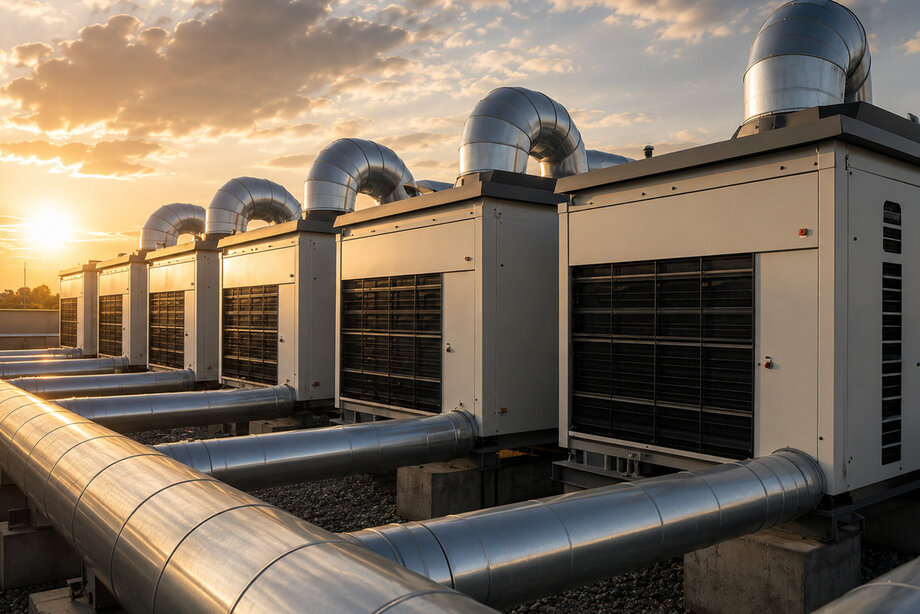
Cooling and environmental technology is essential to many aspects of our daily lives and industry. It encompasses technologies for generating and controlling cooling and climate conditions. In refrigeration technology, refrigeration machines are used to extract and dissipate heat, which is particularly important in the food and chemical industries, as well as in the air conditioning of buildings. Refrigerants play a central role in this, with more environmentally friendly alternatives such as hydrocarbons and ammonia being used increasingly.
Cooling technology regulates temperature, humidity and air quality indoors. Cooling systems, often equipped with heat pumps, are widely used and ensure comfort and health in living and working spaces. Applications of refrigeration and cooling technology range from the storage of perishable goods in the food industry, through the cooling of medicines in healthcare, to process cooling in industry.
Future developments are focusing on environmentally friendly and energy-efficient technologies, the use of renewable energies, and digitalisation for more efficient control of the systems.


Key areas of the industry
HVAC
Engineering Development and installation of heating, cooling and ventilation systems
Objective: Energy efficiency, indoor comfort and reduction of CO₂ emissions
Examples: Heat pumps, ventilation systems with heat recovery, smart building technology
Environmental technology
Technical solutions for the protection of air, water and soil
Objective: Reduction of pollutants, conservation of resources, circular economy
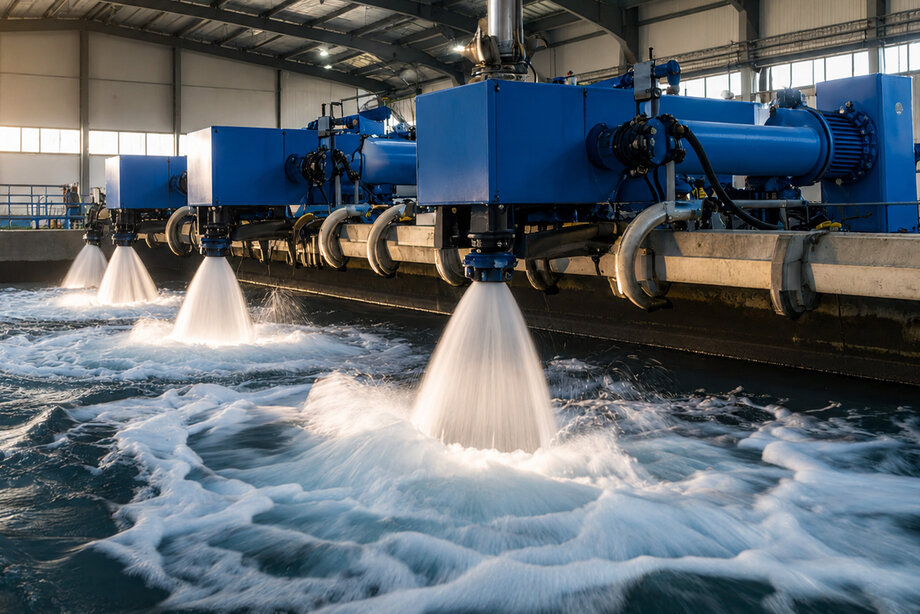
Examples: Water treatment, air filtration systems, waste recycling, environmental monitoring
Objectives of climate and environmental technology:
Climate protection through the reduction of greenhouse gases
Sustainability through the efficient use of energy and raw materials
Health protection through clean air and clean water
Future-proofing through innovative, environmentally friendly technologies
Where is it used?
In buildings (residential and commercial properties)
In industry (e.g. production processes, flue gas cleaning)
In cities and local authorities (e.g. smart cities, water and waste management)
In agriculture (e.g. resource-efficient irrigation)