
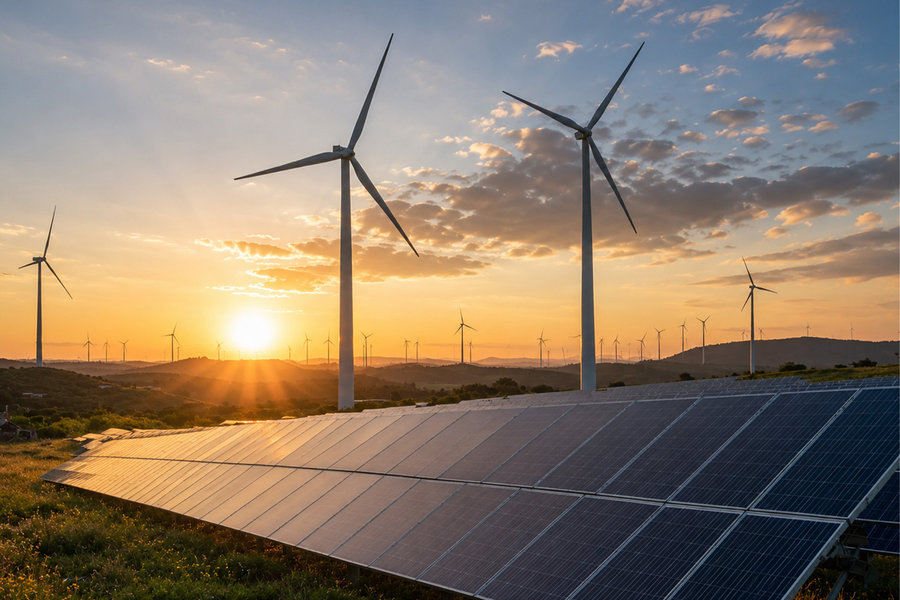
ROLEC enclosures for renewable energy
Renewable energy is a key component of a sustainable future. It comes from natural sources that are constantly replenished, such as sunlight, wind, water and biomass. Renewable energy offers numerous benefits, including the reduction of greenhouse gas emissions, a decrease in dependence on fossil fuels and the creation of new jobs in the green economy. They are an essential part of global efforts to combat climate change and promote sustainable development.
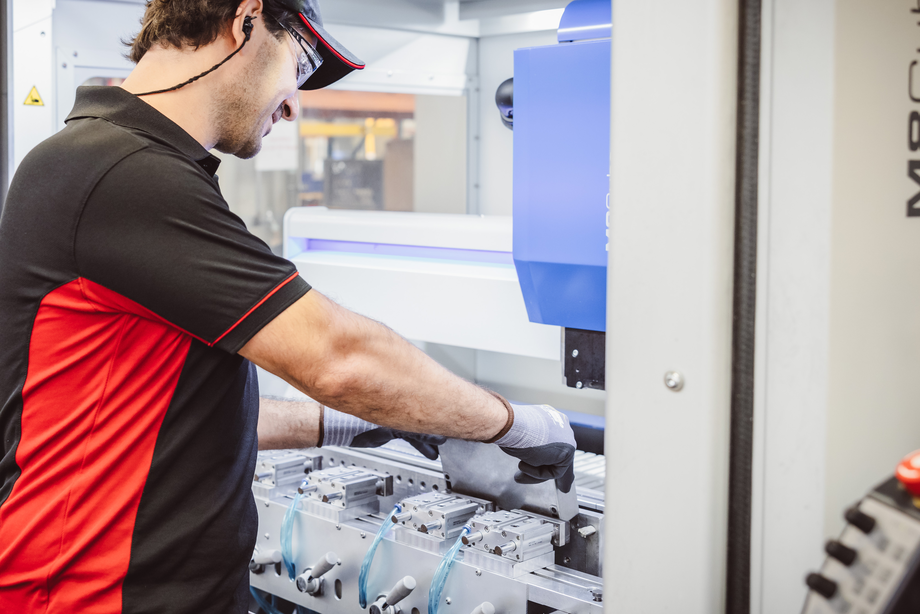

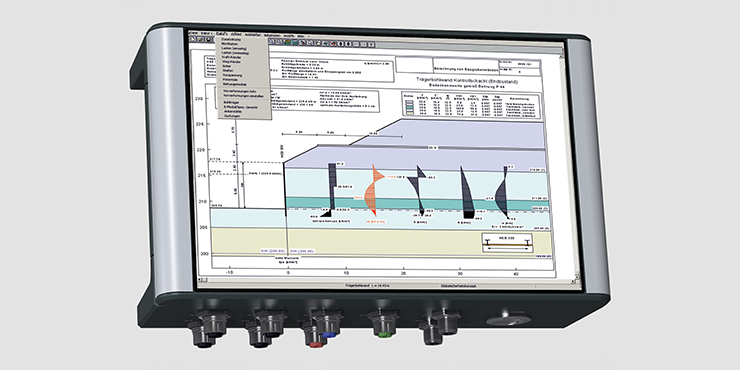


Key areas of the industry
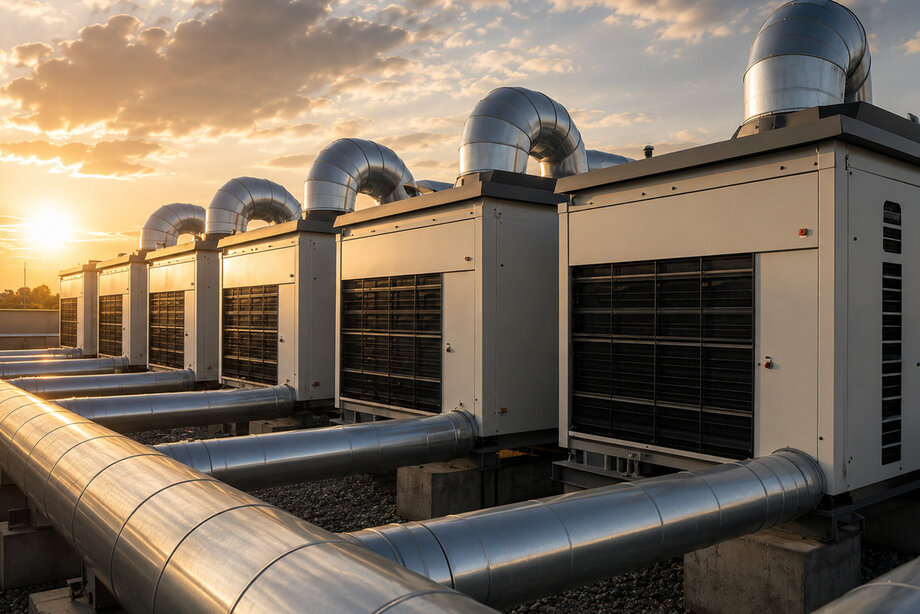
HVAC
Engineering Development and installation of heating, cooling and ventilation systems
Objective: Energy efficiency, indoor comfort and reduction of CO₂ emissions
Examples: Heat pumps, ventilation systems with heat recovery, smart building technology
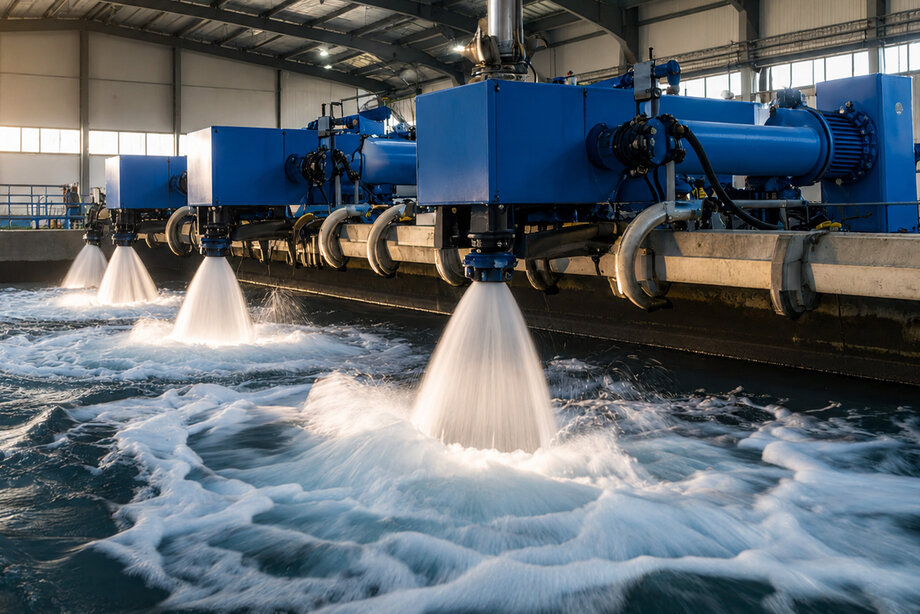
Environmental technology
Technical solutions for the protection of air, water and soil
Objective: Reduction of pollutants, conservation of resources, circular economy
Examples: Water treatment, air filtration systems, waste recycling, environmental monitoring
Objectives of climate and environmental technology:
Climate protection through the reduction of greenhouse gases
Sustainability through the efficient use of energy and raw materials
Health protection through clean air and clean water
Future-proofing through innovative, environmentally friendly technologies
Where is it used?
In buildings (residential and commercial properties)
In industry (e.g. production processes, flue gas cleaning)
In cities and local authorities (e.g. smart cities, water and waste management)
In agriculture (e.g. resource-efficient irrigation)
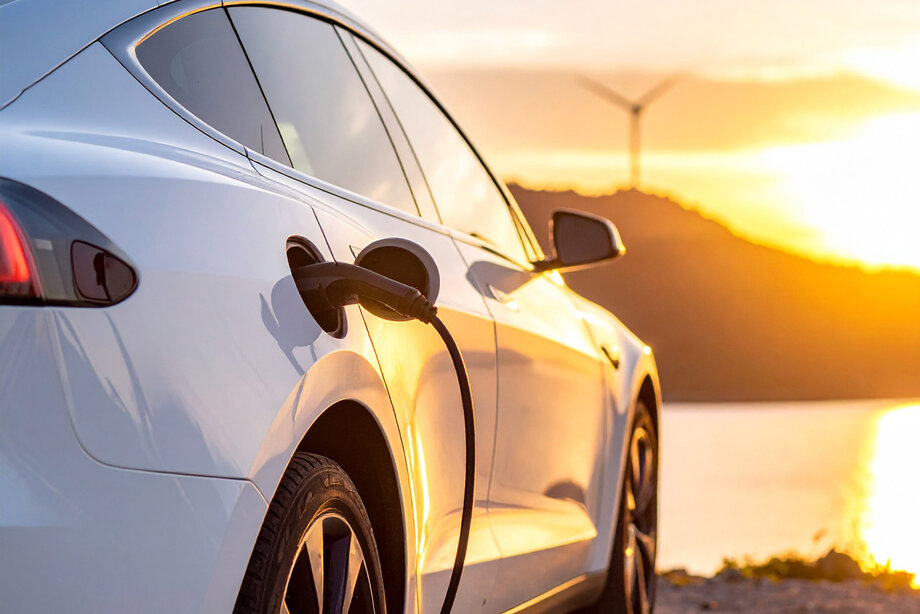
Some key aspects of renewable energy
Here are some of the main types of renewable energy:
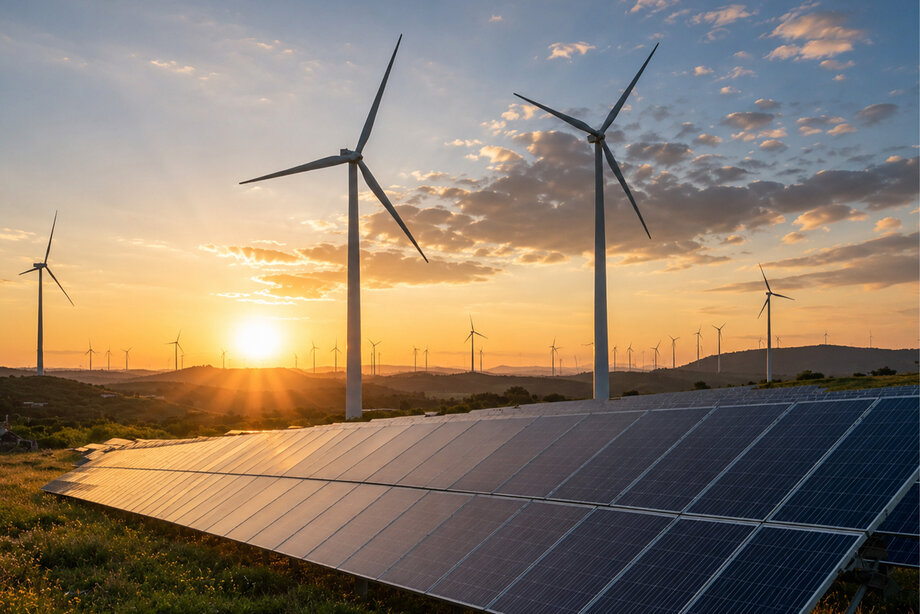
Solar energy: This energy is generated by harnessing the sun’s rays. Solar panels convert sunlight directly into electricity. Solar energy is particularly advantageous as it is available almost everywhere and produces no harmful emissions.
Wind energy: Wind turbines use the kinetic energy of the wind to generate electricity. Wind energy is one of the fastest-growing energy sources worldwide and plays a key role in reducing greenhouse gas emissions.
Hydropower: This form of energy uses the power of flowing water to generate electricity. Hydropower plants are often found on rivers or at dams and provide a reliable and continuous source of energy.
Biomass: Biomass energy is derived from organic materials such as wood, agricultural waste and other biological substances. These materials are burned or converted into biogas to generate energy.
Geothermal energy: This energy source utilises heat from the Earth’s interior. Geothermal power stations can use this heat directly to generate electricity or to heat buildings.